
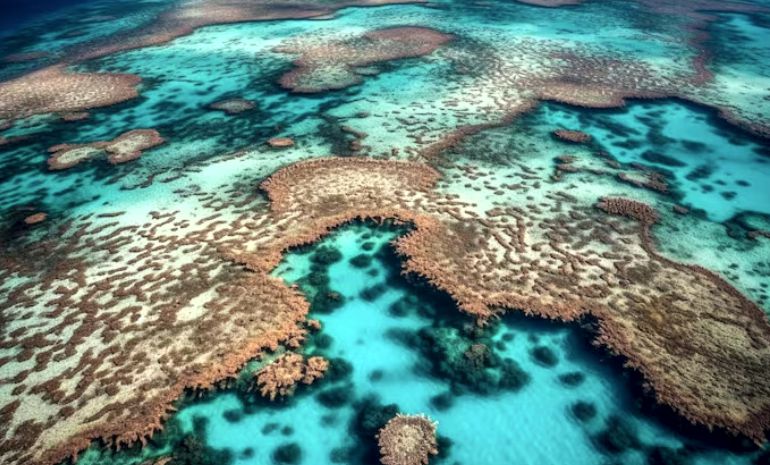
Beneath the surface of our oceans lies a vital ecosystem that supports nearly 25% of all marine life known as coral reefs. Often called the “rainforests of the sea,” these underwater structures are essential not only to biodiversity but also to coastal communities and global climate health. Sadly, due to pollution, climate change, and destructive fishing practices, many of the world’s reefs are dying. That’s where DWP CARES steps in.
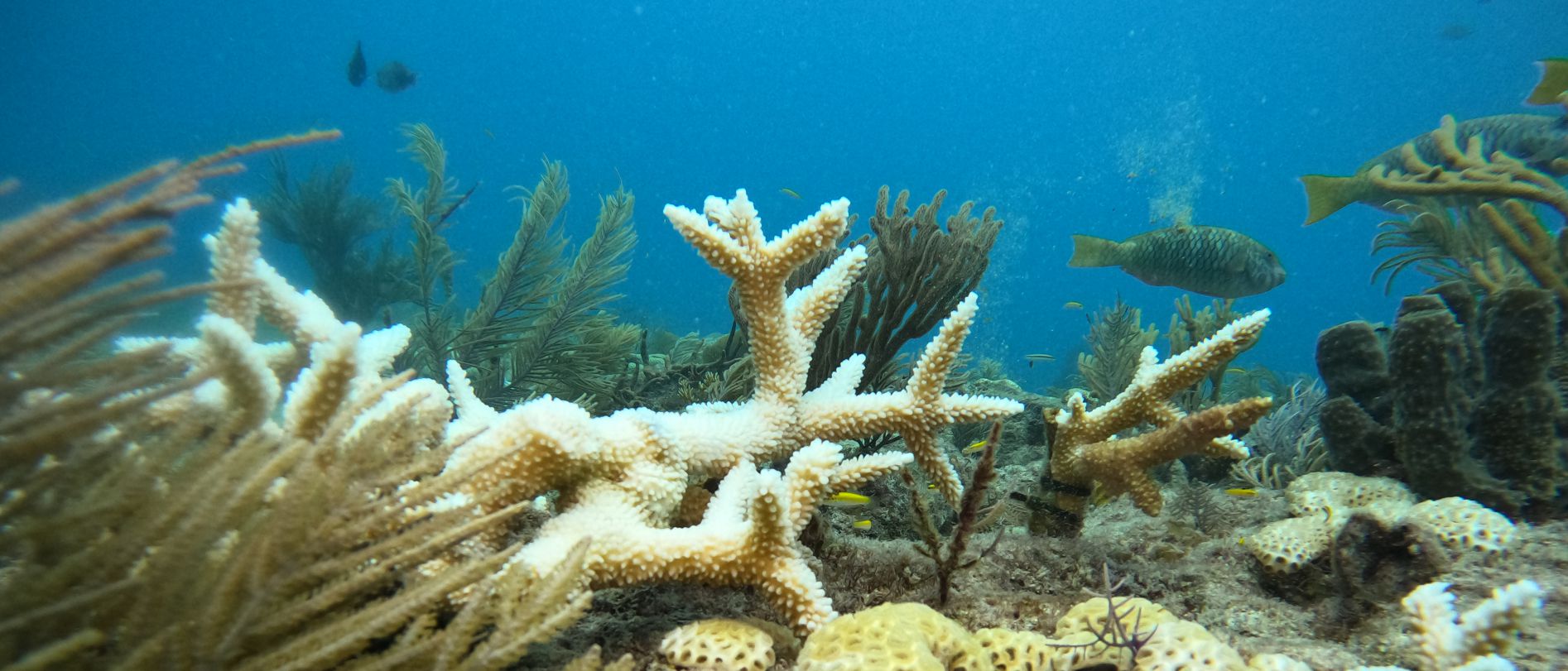
Beneath the surface of our oceans lies a vital ecosystem that supports nearly 25% of all marine life known as coral reefs. .
Why Coral Reefs Matter
Coral reefs act as natural barriers, protecting coastlines from erosion and storms. They also provide habitat and breeding grounds for thousands of marine species. For communities, reefs are a source of food, income, and cultural identity. Losing them would mean losing one of Earth’s most productive and beautiful ecosystems.
The Science Behind Our Restoration Techniques
At DWP CARES, our coral restoration efforts are grounded in science and collaboration. We carefully select native coral species and use fragmentation techniques to regrow coral colonies. Fragments are planted in nurseries and then transplanted to damaged reef sites. Over time, these fragments grow into thriving structures that host marine life and improve water quality.Highlights from Our Latest Mission
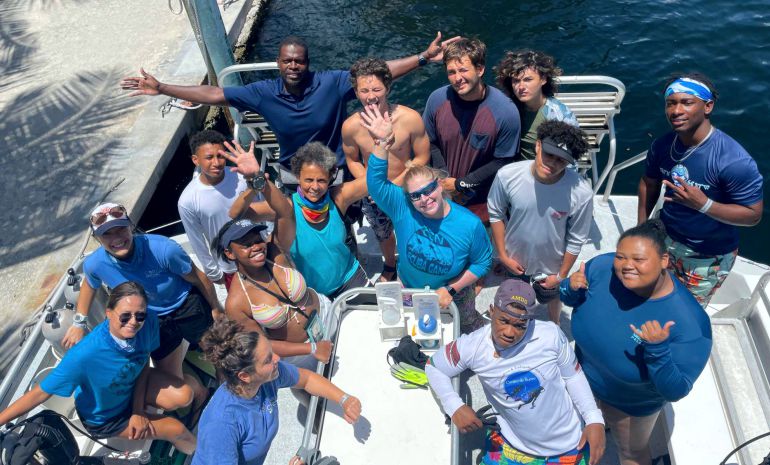
In one of our most recent missions, DWP CARES volunteers and marine biologists successfully planted over 3,000 coral fragments across sites in Belize and Ghana. These efforts have already shown signs of regrowth, with reef coverage improving by up to 20% in some areas. Our teams also conducted underwater health assessments and collaborated with local stakeholders to ensure long-term sustainability.Measurable Impact: From 6% to 60% Coverage
In places like Laughing Bird Caye National Park, restoration efforts have taken coral cover from a devastating 6% in 2006 to an incredible 60% today. This transformation didn’t happen overnight. It’s the result of continuous monitoring, planting, and community-led conservation practices.How You Can Support Reef Recovery
You don’t have to be a diver to make a difference. Supporting reef conservation can be as simple as:- Donating to DWP CARES
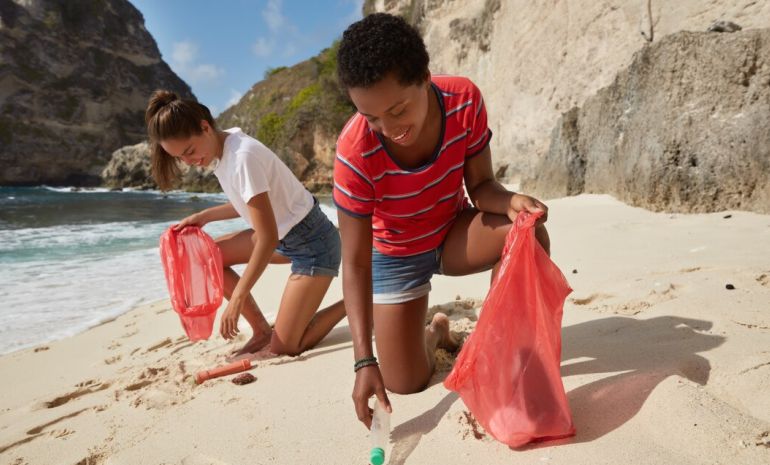
- Reducing single-use plastics
- Supporting reef-safe products
- Spreading awareness about coral bleaching and restoration
Leave A Comment